Las Vegas trade show exhibit rentals, graphics, logistics & labor coordination

(702) 766-9832
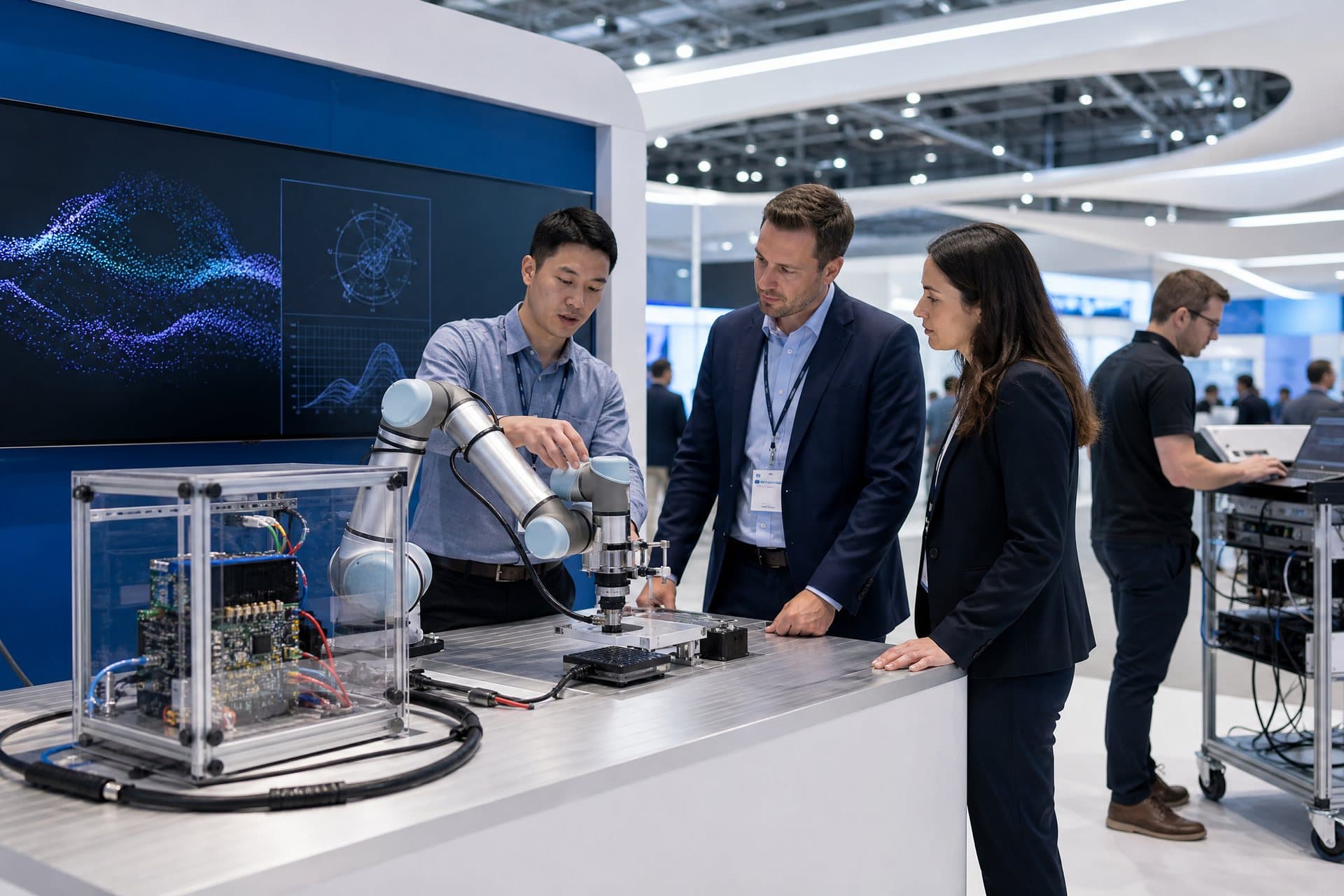
Engineer demonstrating robotics and sensor technology to business visitors

Technology exhibit planning

Technology Exhibit Rentals & Demo Environments

Balance live demonstrations, screens, technical infrastructure, lead capture, and focused buyer conversations.

Technical buyers, business leaders, partners, analysts, media, developers, and end users may need different levels of demonstration depth, privacy, and access to subject-matter experts.

Sector decision context

Create a reliable demonstration environment that keeps screens readable, devices secure, technical infrastructure serviceable, conversations focused, and lead capture appropriate to the audience.

Technology exhibits fail when architecture is approved before power, network, acoustics, mounting, security, content, reset, and support requirements are understood. Those dependencies belong in the design brief from the beginning.

Industry-specific solutions

Design the technology exhibit around how it must work

These modules describe planning responsibilities, not universal inventory or availability. The final recommendation follows the event, venue, footprint, goals, schedule, and approved scope.

Live demonstration zones

Coordinate device placement, viewing distance, presenter position, cable paths, reset procedures, and audience circulation around the real demonstration.

  • Power and network schedule
  • Screen sightline and mounting plan
  • Demo reset and support access
Focused buyer conversations

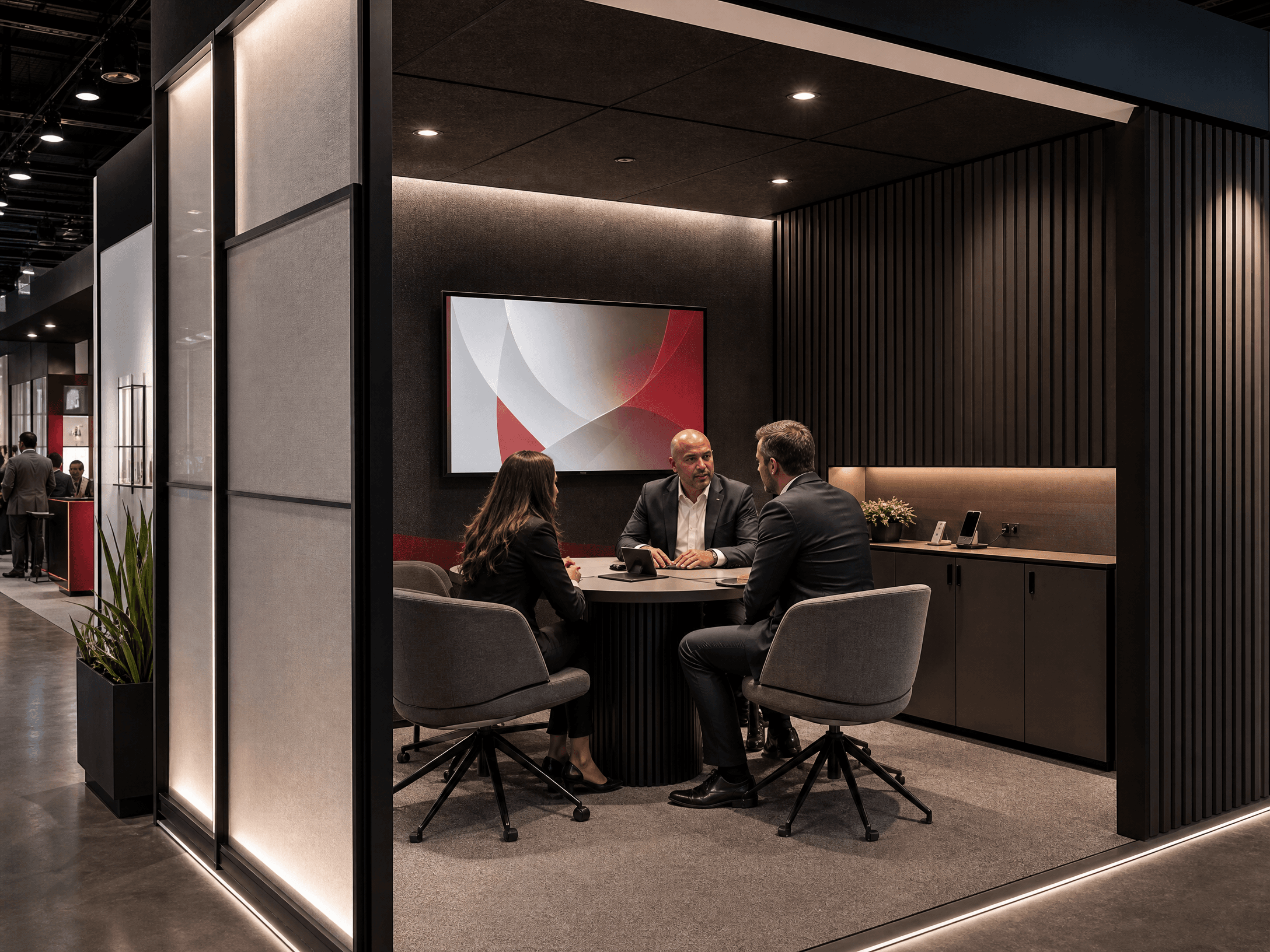
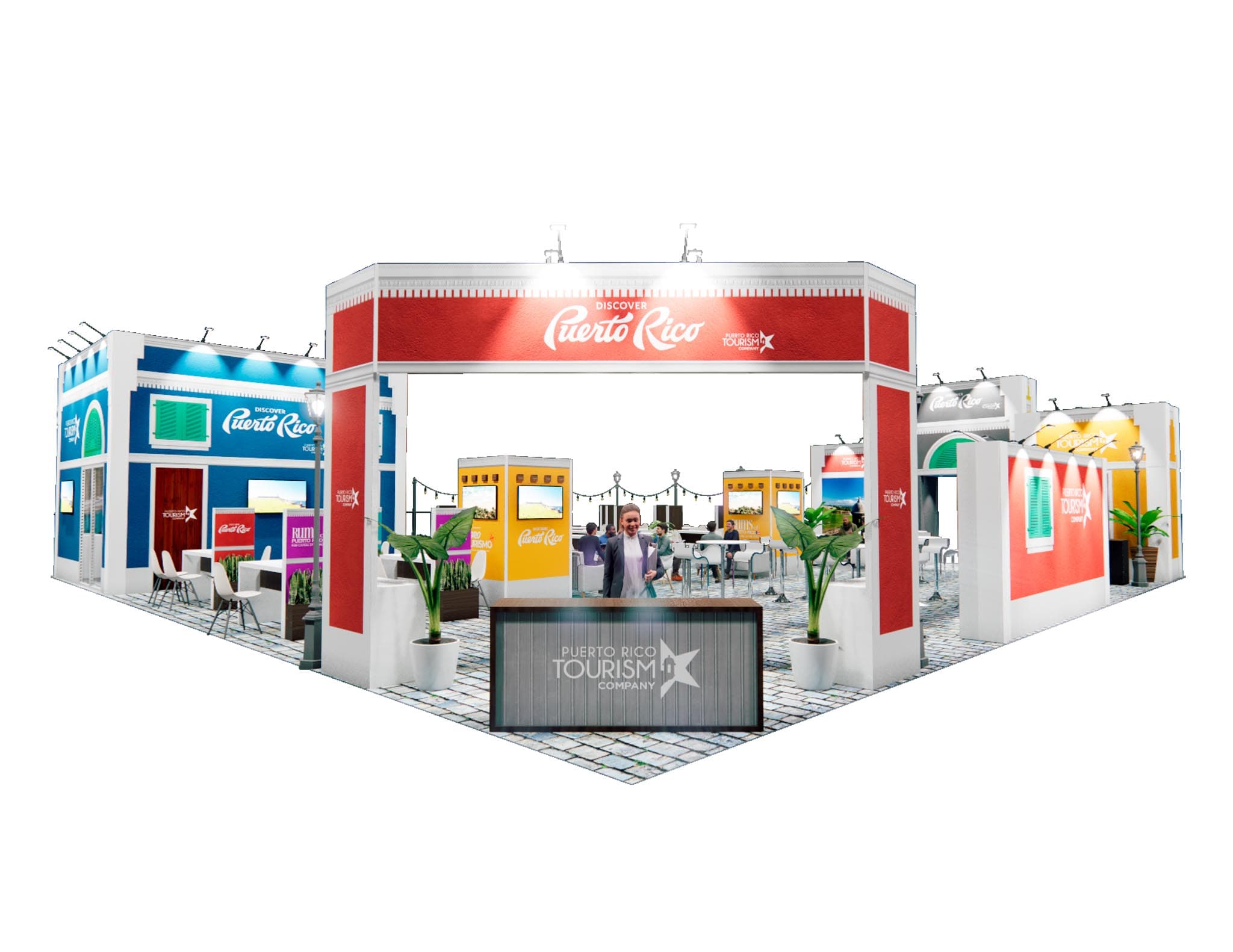
Use semi-private or enclosed spaces when technical, commercial, or partner conversations need separation from aisle traffic and demonstration sound.

  • Acoustic separation
  • Private or semi-private rooms
  • Appointment and host flow

Content and capture systems

Connect digital content, lead capture, device security, staffing, and data-handling responsibilities to a tested show-floor workflow.

  • Media test and fallback plan
  • Lead-capture touchpoints
  • Device security and overnight plan
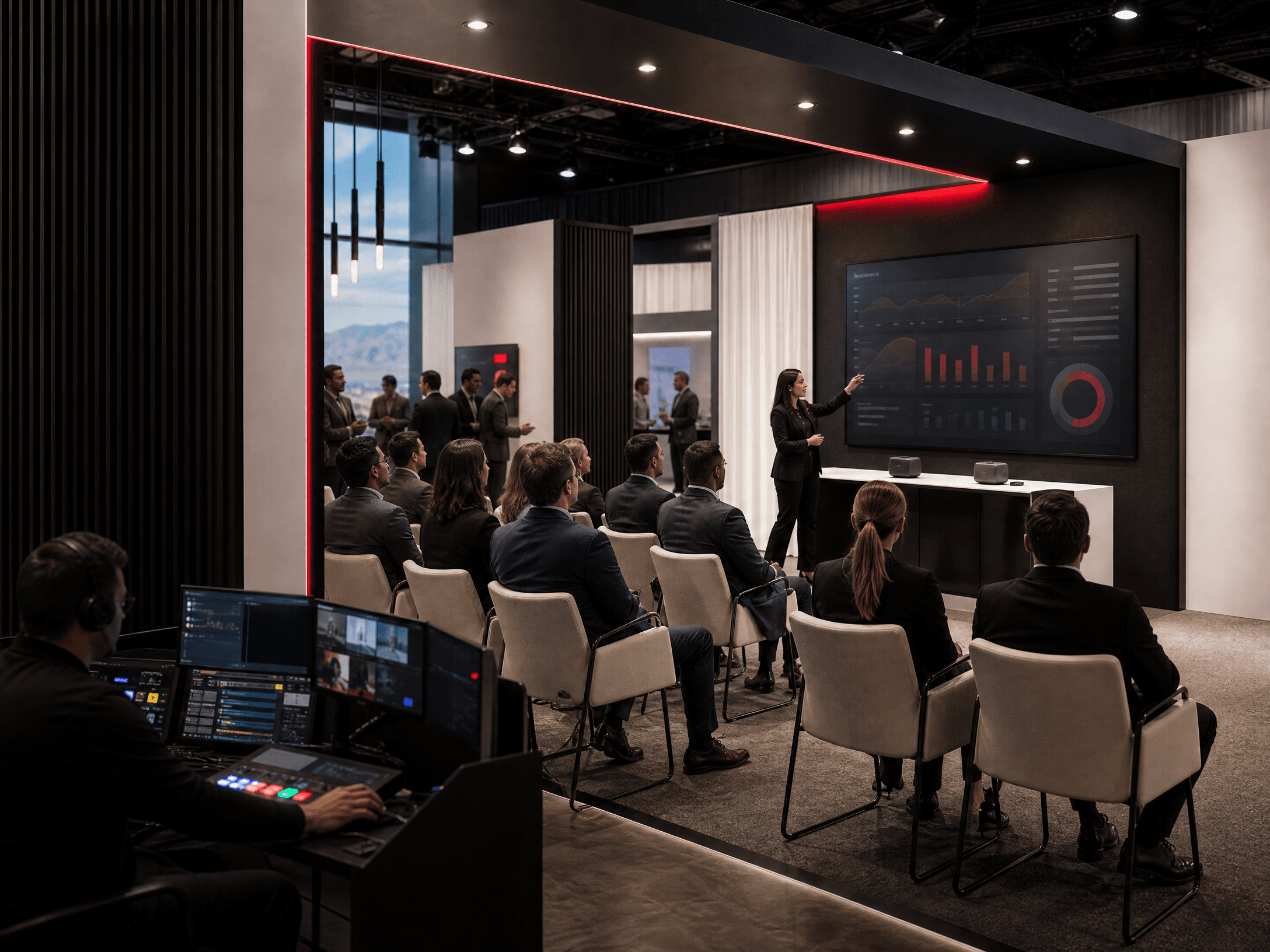
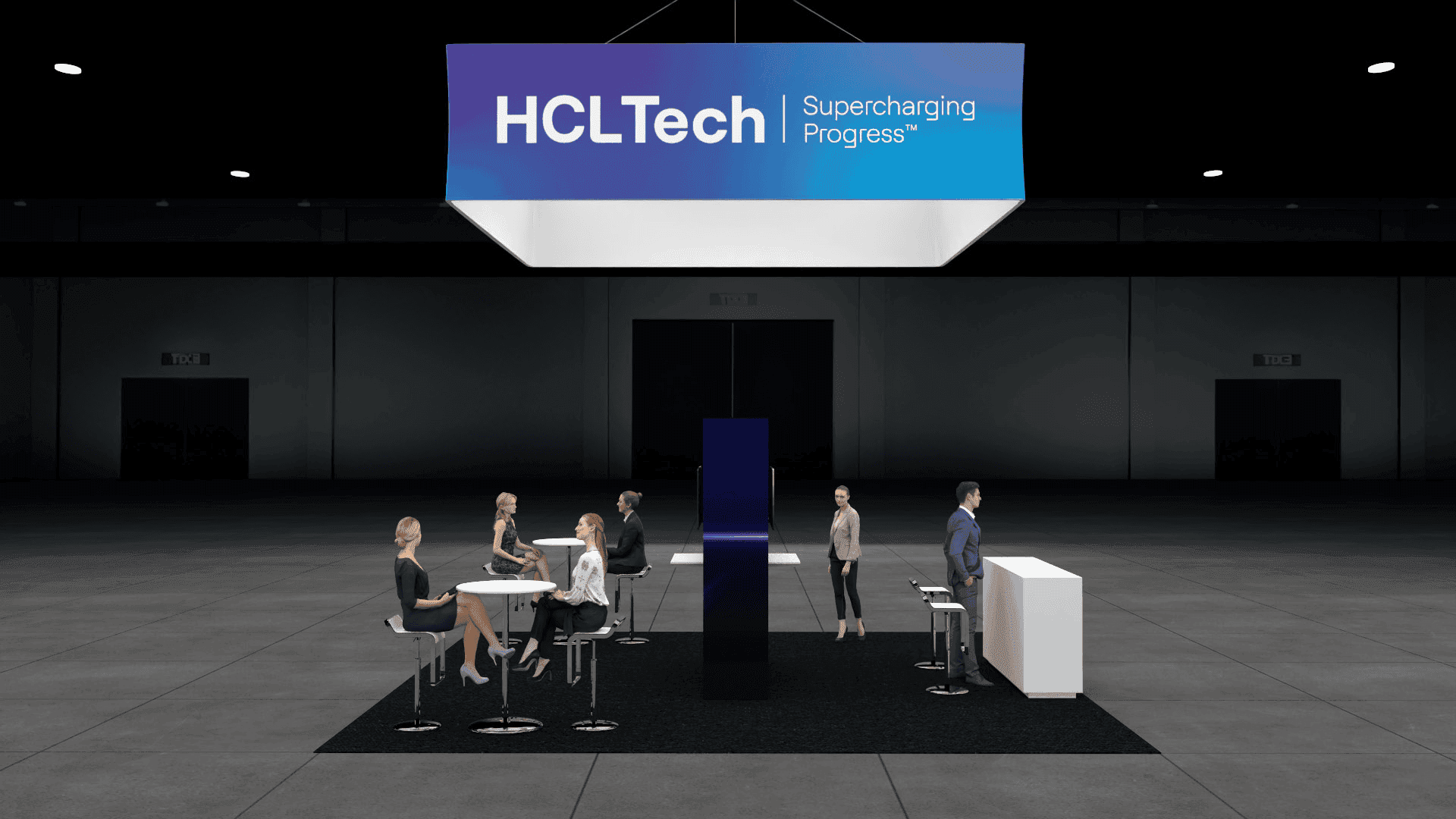
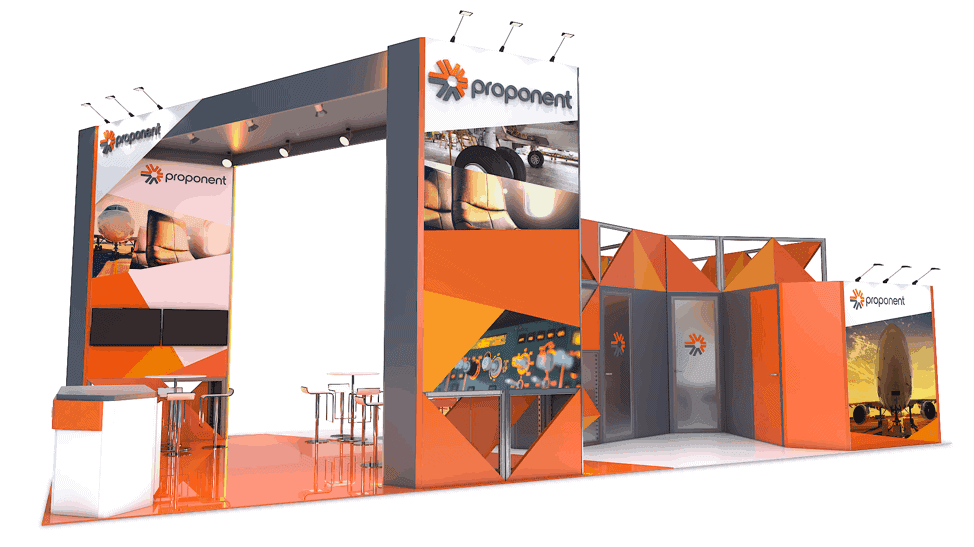
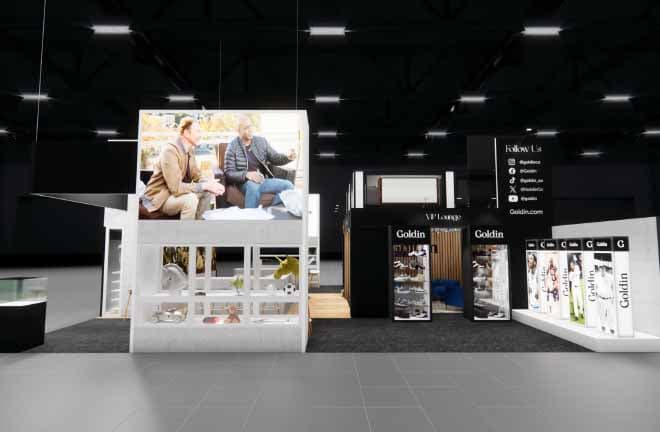
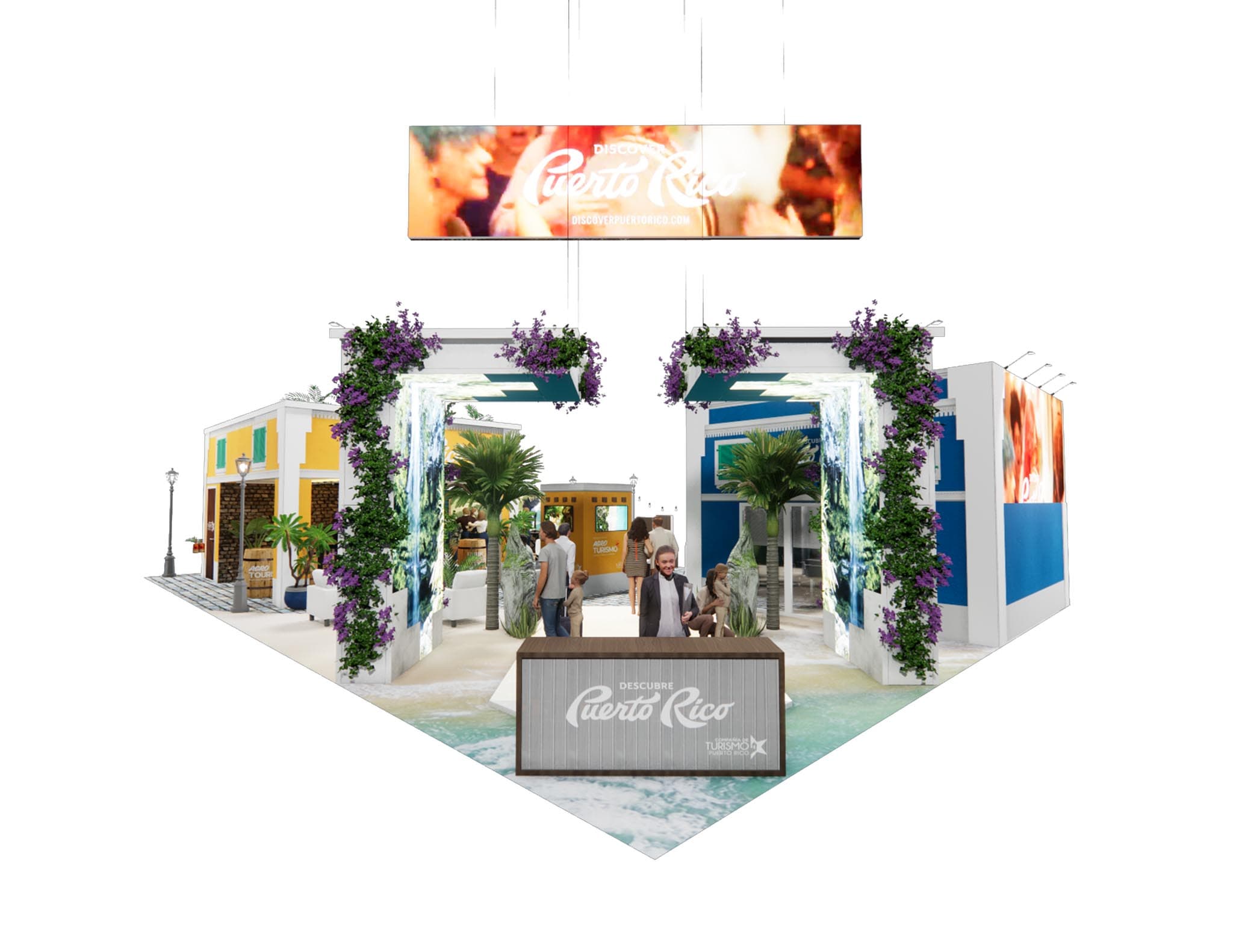
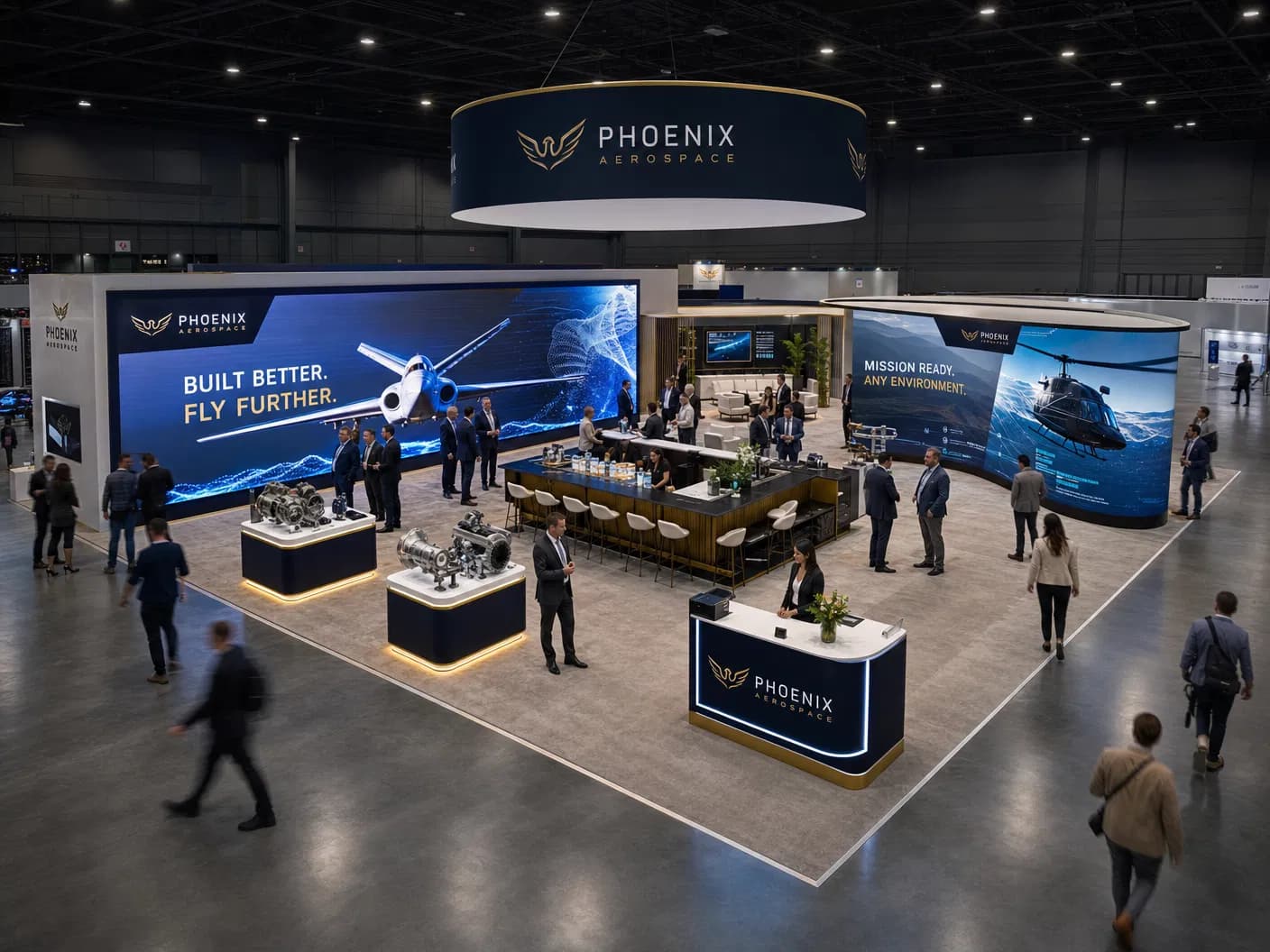
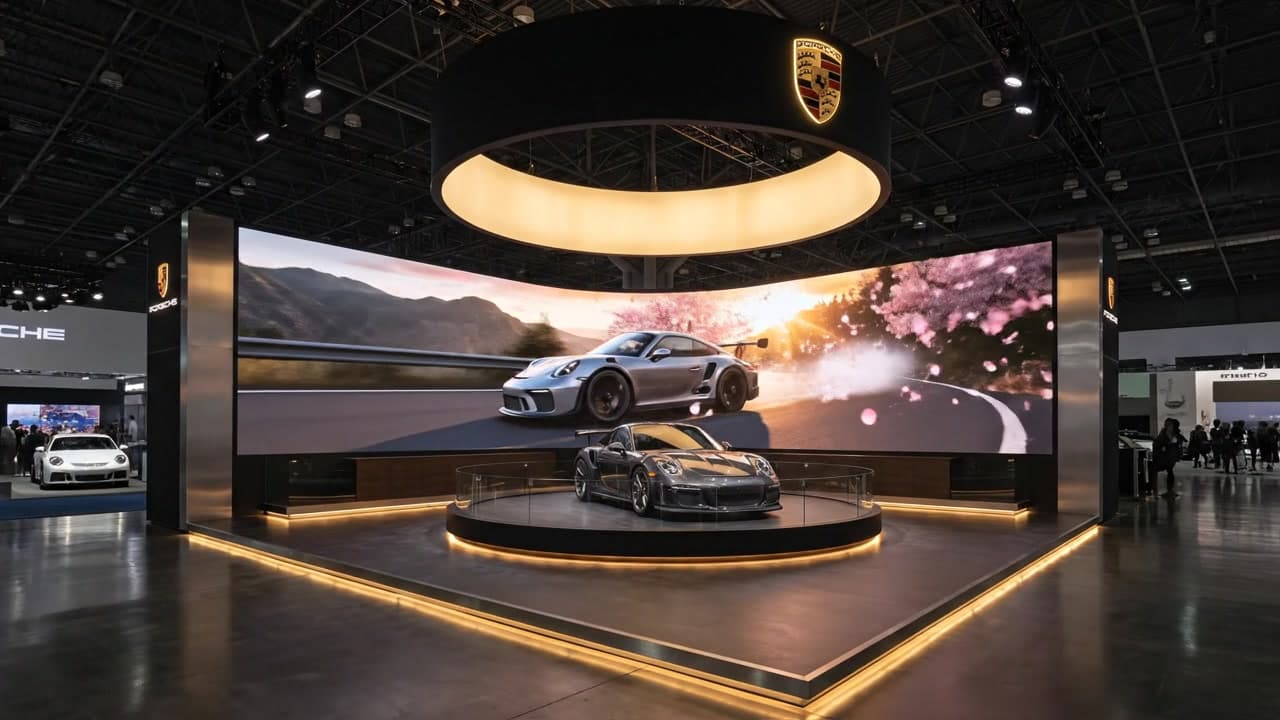
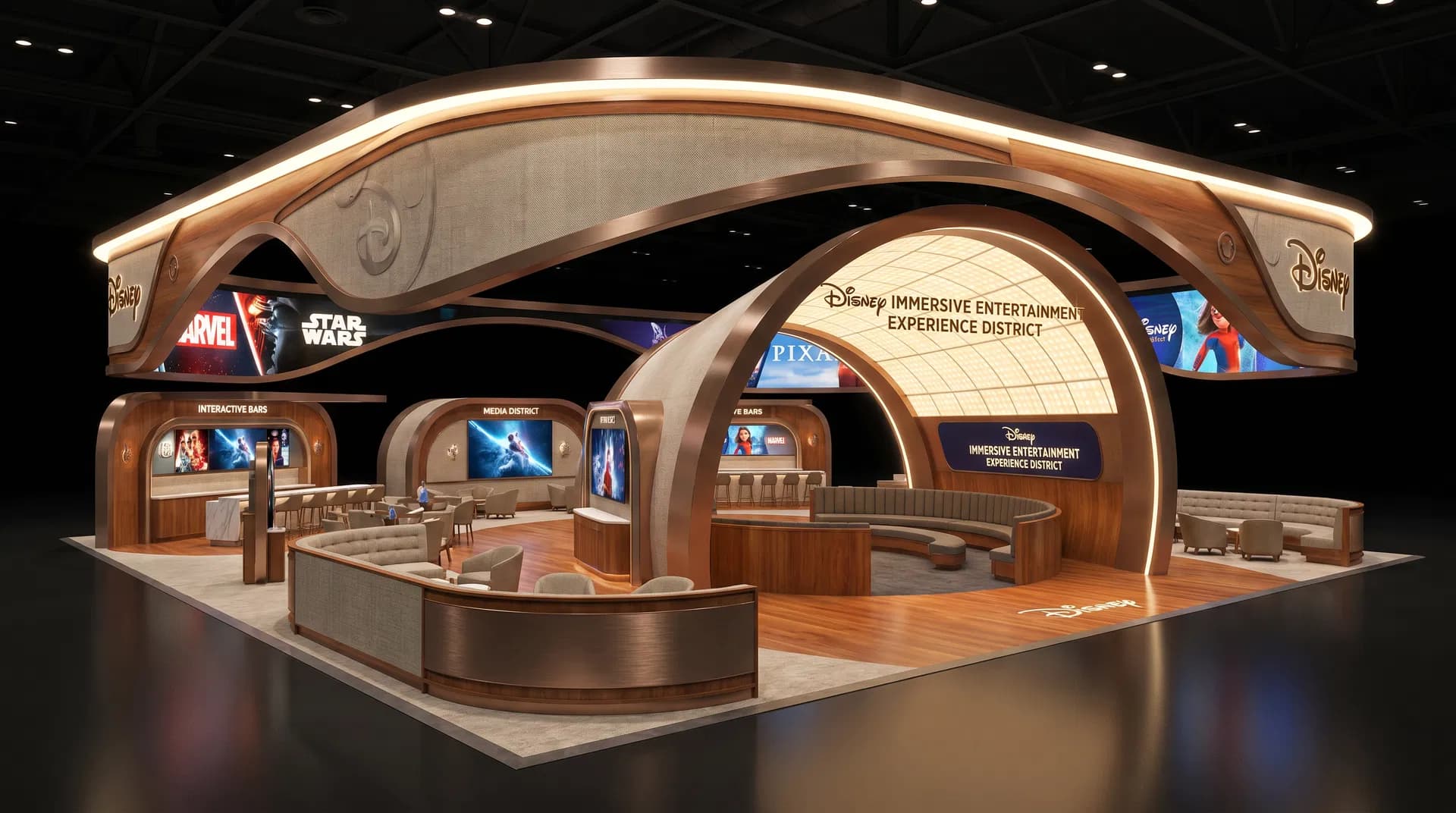
Illustrative technology exhibit planning environment

Footprint decisions

Choose size after the interactions and operating needs are known

10x10 / 10x20

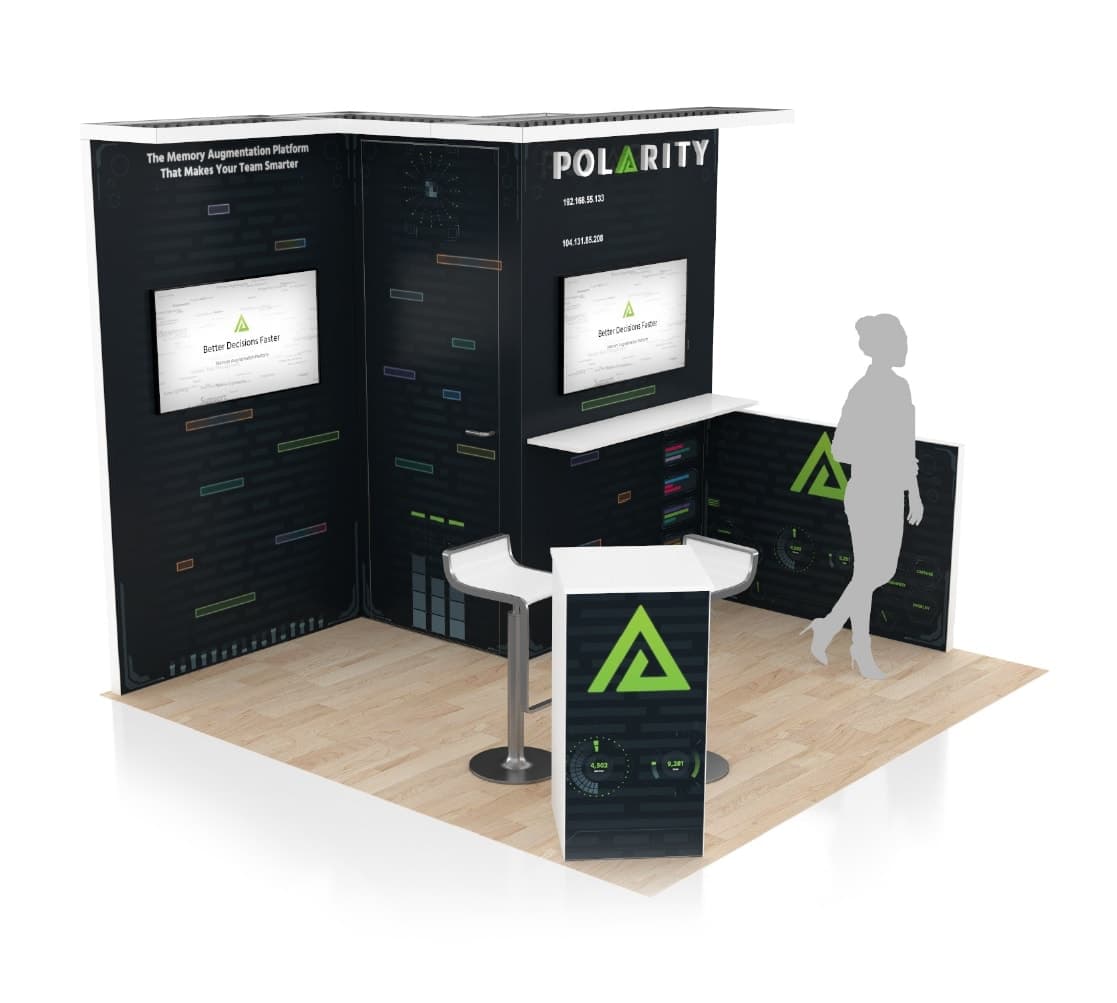
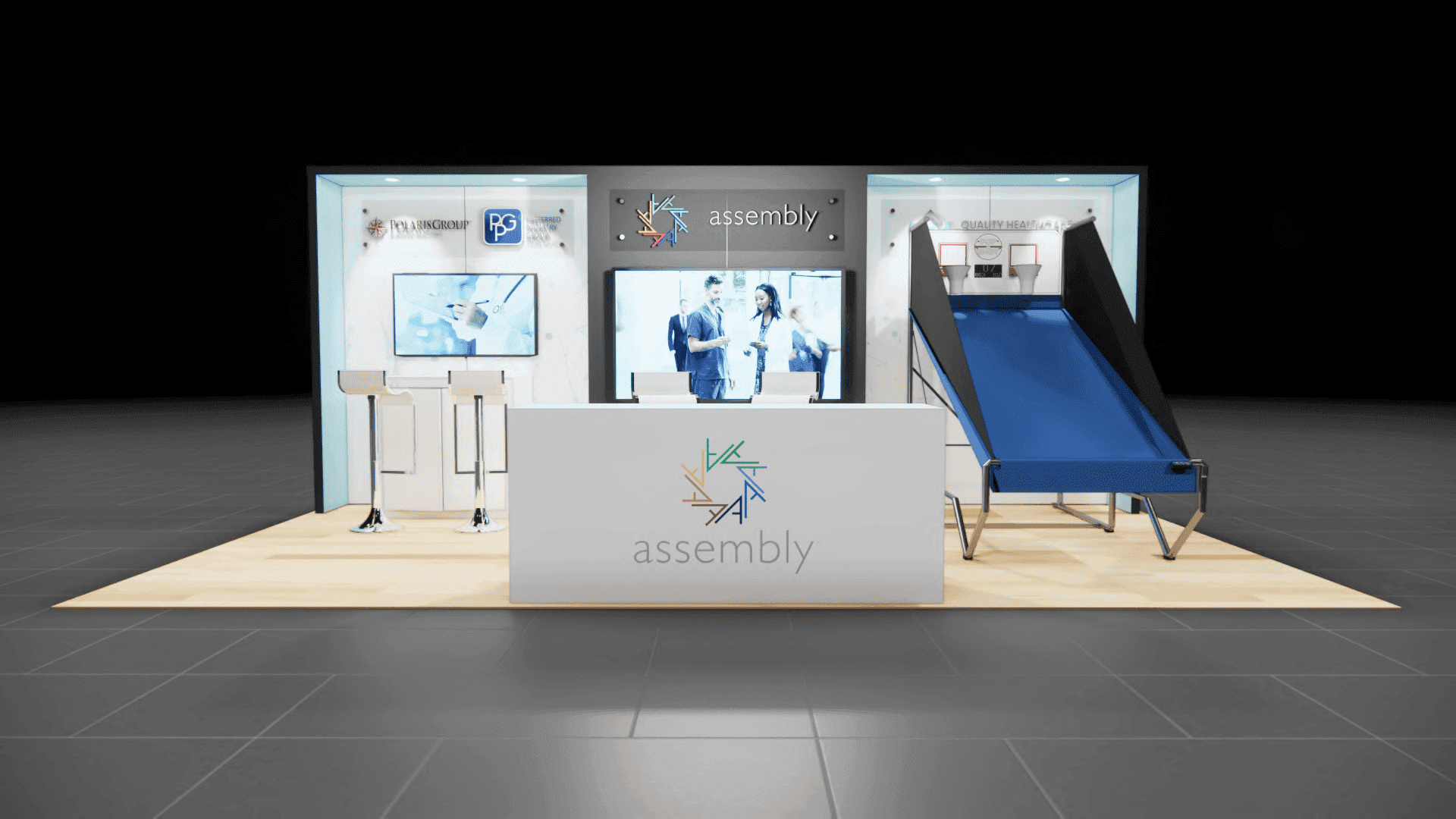
One focused demonstration, screen, counter, product display, and compact conversation area.

20x20

Multiple demo stations, central feature, storage, lead capture, and a private or semi-private meeting area.

20x30 and larger

Zoned demonstrations, hosted presentations, private meetings, technical support access, and broader visitor throughput.

Compare stock rental and custom exhibit paths
Illustrative technology demonstration, visitor, or operations planning

Planning questions

Resolve the operating brief before the exhibit becomes decoration

  • What must be live rather than represented by recorded content?
  • What power, internet, network, rigging, cooling, or sound dependencies exist?
  • How quickly must each demonstration reset?
  • Which devices or conversations require security or privacy?
  • Who owns content, lead data, troubleshooting, and overnight procedures?

The exhibitor remains responsible for product claims, cybersecurity, data collection, privacy notices, export controls, accessibility, and sector-specific requirements with appropriate advisors. The project team can coordinate physical and technical dependencies but does not provide legal, privacy, or security certification advice.

Technology exhibit ideas

Use a real exhibit as your planning starting point

Browse exhibit collections by footprint and type, then let the team confirm fit, availability, modifications, graphics, services, venue requirements, and project scope for your event.

View all categories

Turnkey process

A technology path from brief to return handling

The sequence connects audience goals and demonstrations with design, graphics, approvals, production, technology, freight, qualified labor, venue services, operations, dismantle, and return responsibilities.

  1. 01

    Choose a direction

    Select a rental exhibit from the catalog or share your goals for a custom concept.

  2. 02

    Shape the design

    We tailor the layout, graphics, and services to fit your brand and the realities of your venue.

  3. 03

    Bring it to the show

    Our team coordinates the freight, delivery, and qualified installation so your booth is ready for opening day.

  4. 04

    Support the closeout

    When the show ends, we handle the dismantle, outbound freight, and return logistics.

Relevant event planning

Connect the industry brief to current event and market details

Use organizer information for the event name, location, dates, and show requirements, then connect those details to the exhibit brief.

Las Vegas · January 6–9, 2027

CES 2027

Technology exhibitors should develop screen, power, connectivity, demonstration, acoustics, security, storage, and meeting-space requirements before contractor deadlines.

Frequently asked questions

Technology exhibit planning questions

These answers separate useful operating guidance from the event, venue, legal, regulatory, availability, and commercial facts that still require confirmation.

When should power and internet requirements be defined?

Define them before the layout is approved. Device loads, redundancy, wired or wireless needs, cable paths, network ownership, testing windows, and contractor deadlines can affect architecture and project scope.

Can a technology exhibit include a private meeting room?

Yes, when the footprint, venue rules, height and egress requirements, schedule, and approved design support it. The room may be fully enclosed or semi-private depending on the project.

Who is responsible for lead-capture privacy?

The exhibitor should determine lawful notices, consent, retention, access, and vendor requirements with its privacy and legal advisors. The exhibit scope can coordinate the physical device, power, network, and guest flow.

How are screens and video walls scoped?

Share content format, size, brightness, sound, mounting, input, playback, power, rigging, control, redundancy, and support requirements. Availability and supplier scope are confirmed in the project quote.

Can an exhibit be adapted around technical demos?

Yes. An existing exhibit can be a design starting point. The team will review engineering, mounting, utilities, content, equipment, security, venue requirements, availability, and final project scope.

Technology project brief

Turn the audience, interactions, products, technology, venue, and dates into one coordinated scope.

Use the five-step brief to share the show, footprint, operational needs, design direction, current files, and preferred contact path—or call the team directly.